

best sellers


Sale!
Original price was: $28.00.$14.00Current price is: $14.00.
Sale!
Original price was: $75.00.$20.00Current price is: $20.00.
Sale!
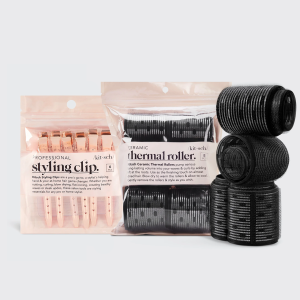
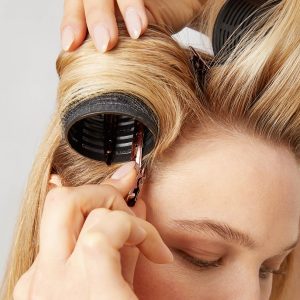
Original price was: $28.00.$10.00Current price is: $10.00.
Sale!
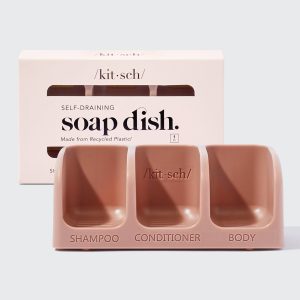
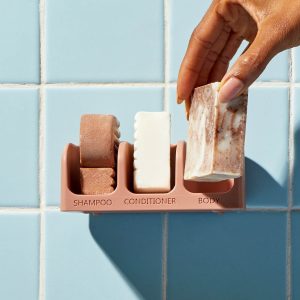
Original price was: $14.00.$7.00Current price is: $7.00.
top collections


what’s new
Sale!
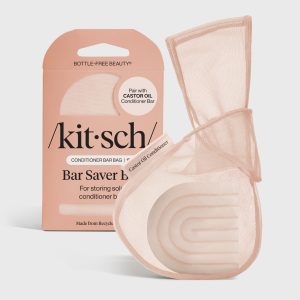
Original price was: $5.00.$2.50Current price is: $2.50.
Sale!
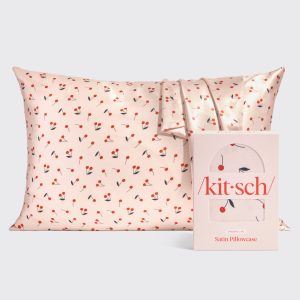

Original price was: $19.00.$9.50Current price is: $9.50.
Sale!
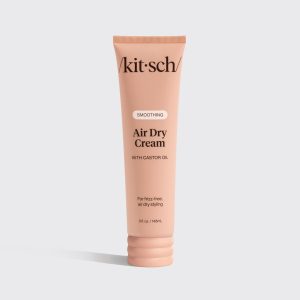
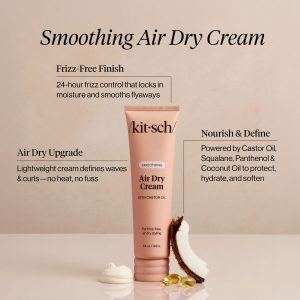
Original price was: $15.00.$7.50Current price is: $7.50.
Sale!
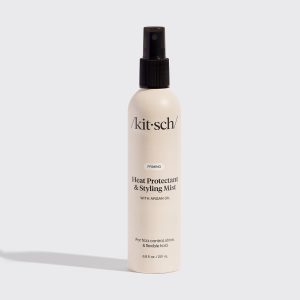
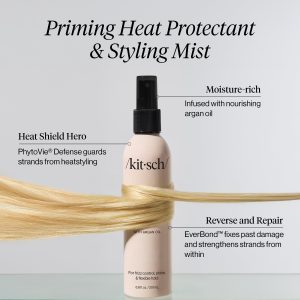
Original price was: $16.00.$8.00Current price is: $8.00.
WE’VE ALWAYS BEEN OBSESSED WITH OUR CUSTOMERS & WE THINK
The Feeling Is Mutual


Our Story
Founded by Wisconsin native Cassandra Thurswell at the age of 25, Kitsch is a global beauty powerhouse built on positivity and pure hard work. The brand supports its growing community with easy, elevated beauty solutions that are totally reliable, truly special, and made as sustainably as possible. Beginning in 2010 with a business plan no longer than a paragraph, Kitsch now supplies a full range of beauty favorites in over 20,000 retail locations worldwide. A prominent entrepreneur featured in Forbes and Inc., Cassandra continues to create elevated, sustainable beauty solutions for every moment of the day.
Decoding the Science – How Ingredients Transform Texture
The aisles of personal care stores are filled with beautiful bottles, but the real magic happens at a molecular level. Understanding the functionality of common ingredients allows you to move past marketing and make informed decisions based on your specific hair needs.
Hydration versus Moisture
These two terms are often used interchangeably, but they serve different roles in hair health. Hydration refers to the water content inside the hair fiber, while moisture refers to the oils that seal that water in.
-
Humectants: Look for ingredients like glycerin or honey derivatives. These act like magnets, pulling water from the air into the hair shaft.
-
Emollients: These are the smoothing agents. They fill in the gaps between the hair cuticles, creating that silky feeling we associate with healthy hair.
The Role of Proteins
For those with damaged or high-porosity hair, protein-enriched formulas are essential. Hair is primarily composed of a tough protein called keratin. When hair is exposed to heat or environmental stress, these protein chains can weaken. Cleansing agents infused with amino acids or hydrolyzed proteins help temporarily patch these “gaps,” providing structural integrity and preventing breakage.
Why Gentle Surfactants Matter
Surfactants are the cleansing agents responsible for the lathering effect. While heavy-duty surfactants are effective at cleaning, they can be too aggressive for curly or color-treated hair. Modern hair care science has pivoted toward “sulfate-free” alternatives that utilize coconut-derived or sugar-based cleansers. These provide a soft, rich lather that cleanses the hair while leaving the lipid barrier intact.
By learning to identify these components, you empower yourself to curate a routine that addresses your hair’s unique structural requirements, leading to long-term strength and shine.